Cybersecurity expert, school officials discuss Upstate security breach
Published by Kishan Prajapat, SEO & Content Lead
Drafted with Citeya, an AI writing tool built by KPThink.
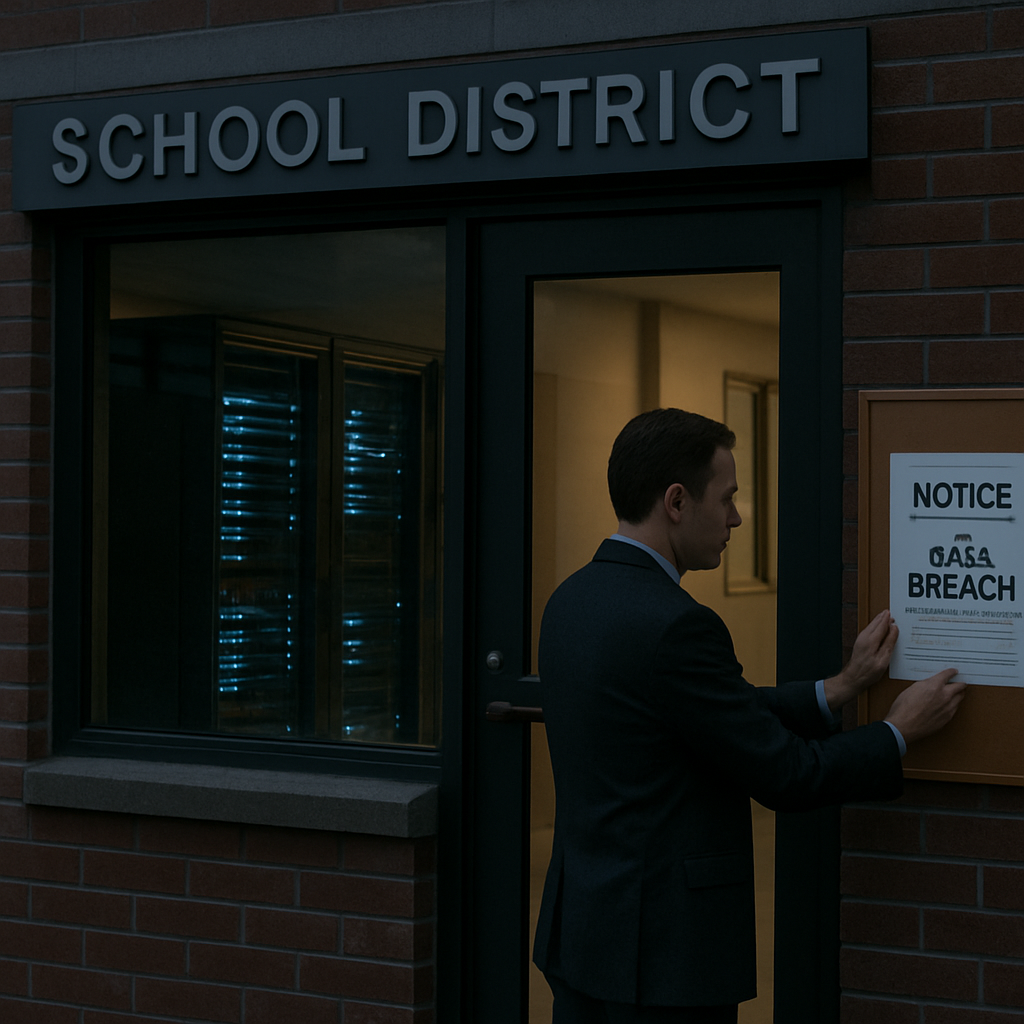
Several Upstate school districts reported that student and staff data may have been exposed after a cybersecurity incident tied to a third-party provider. If your child attends school in the Upstate, check your district's communications, consider freezing credit if you see suspicious activity, and expect follow-up notices as investigations continue.
According to local reporting, at least two districts in the Upstate have told families they were affected by a breach linked to a vendor that provides school-administration services, and statewide officials have released guidance to districts while investigations proceed (WSPA; WYFF4).
What district officials and the Department of Education said about the incident
District notices and state communications have been the primary source of facts so far. Multiple local outlets report that districts notified families after learning their records might be included in a third-party data incident; one WSPA story said at least two Upstate districts are informing parents (WSPA). The South Carolina Department of Education issued information about the incident and is coordinating with affected districts, according to WYFF4, which published state-released details on the matter (WYFF4).
District briefings explain notification timing and the categories of information that may be involved (student names, dates of birth, and staff employment records were singled out in district letters referenced by local coverage). Video coverage of the community briefings and expert commentary is available through the local station's reporting (WSPA video).
Officials stress investigations are ongoing. That means more specifics about the scale and precise data elements could change as forensic work concludes. Expect updates from your district; keep messages from schools and the state for reference.
Why third-party providers like the one named in reports are a central vulnerability
The incident centers on a software vendor used by multiple districts to manage student and personnel records. Local reporting identifies the breach as involving a third-party provider that handles administrative data, which is why more than one district was affected (WSPA). Third-party systems concentrate large volumes of records into a single target, so a compromise there can cascade to many districts.
This pattern is visible beyond the Upstate. Newsday reported that school data incidents rose sharply in New York State during 2025, showing how vendor risk and aging infrastructure created exposures across districts (Newsday). Private vendors can offer scale and features schools want, but they also require strong contractual security terms and active oversight by districts.
Trade-offs are real. A smaller district may not be able to run its own student information system, so outsourcing saves money and staff time. The downside is shared risk: one provider's breach can produce multiple notification obligations and greater remediation costs for districts. District boards should demand clear incident response clauses and audit rights in vendor contracts; families should expect parents' access to notification and remediation services when vendors mishandle data.
What data exposure means practically for students and staff (and an example)
Local coverage lists the most likely exposed data elements as student names, contact details, dates of birth, and employment information for staff in the notices cited by reporters (WSPA; WYFF4). Those fields are often enough for identity theft or targeted phishing campaigns. Newsday's reporting on the 2025 surge connected such incidents to real-world harms, including fraudulent accounts opened in students' names and targeted scams against families (Newsday).
A concrete example: when a vendor's credential database is exposed, attackers can use staff email addresses and names to craft convincing phishing messages that bypass basic spam filters. In 2020, Spartanburg School District 1 experienced a ransomware attack that disrupted operations, illustrating how cyber incidents can force districts to revert to paper processes and lose instructional time (GoUpstate). The Upstate incident so far has not been publicly described as ransomware, but the example shows the downstream costs beyond data exposure.
Note: exposed basic identity fields can still be dangerous.
Practical steps families and districts should take now
If your district sent a notice, act quickly. District letters and the state guidance suggest these immediate steps: review the notice for which records were affected; monitor credit and school accounts; consider a fraud alert or credit freeze; report suspicious communications to the district's designated contact. Districts often offer identity-monitoring services after incidents; check whether the vendor or district is providing that and what it covers (WYFF4).
A short list of practical actions for families:
- Keep the district notice and any vendor correspondence for reference.
- Change your school portal passwords and enable two-factor authentication where available.
- Monitor bank and credit reports; consider a free annual credit report and place a credit freeze if you suspect identity theft.
- Be wary of unsolicited texts or emails asking for more data; verify requests by calling the district's official phone number.
Districts should inventory vendor access, validate incident-response steps in contracts, and run tabletop exercises to test notifications and continuity plans. That prevents the scramble that follows a sudden breach and lowers the chance of repeating past mistakes reported in regional coverage (WSPA).
How this incident fits into a larger national picture and policy choices
The Upstate notices are consistent with a national pattern of increasing school-related cyber incidents. Newsday documented a surge in school data incidents across New York State in 2025, showing the problem isn't isolated and that education systems remain attractive targets because of concentrated personal data and often limited cybersecurity budgets (Newsday). National reporting has also linked attacks on public infrastructure to state-sponsored campaigns, underscoring that the threat environment is active and varied (New York Times).
Two policy tensions matter now. First, states and districts must weigh investing in centralized cybersecurity support versus leaving each district to fend for itself. Second, procurement rules must balance cost savings with contractual security requirements. The South Carolina Department of Education's public notice and coordination role is an example of a state stepping in to provide guidance after an incident (WYFF4).
Expect more legislative and procurement attention to vendor oversight in the coming year, as policymakers respond to the growing list of incidents reported by education reporters and watchdogs.
Takeaway: three immediate actions to protect students and reduce future risk
If your family received a notice, prioritize documentation, account protection, and vigilance against phishing. If you're a district leader, demand full vendor logs and incident-response records, require identity-protection services in contracts, and run a vendor-access audit. These steps are straightforward and can cut the risk of follow-on fraud now while helping prevent similar incidents later.
References: local district notices and coverage from WSPA and WYFF4, regional reporting on school-data trends from Newsday, a historical district ransomware example from GoUpstate, and national context on infrastructure-targeting from the New York Times (WSPA; WSPA video; WSPA follow-up; WYFF4 incident briefing; WYFF4 threat report; Newsday surge report; Newsday analysis; GoUpstate 2020 ransomware; New York Times national context).
Spotted a mistake? Tell usand we'll correct it.
Related Articles

Network IP Ranges and Blocks Explained
Discover how network IP ranges and blocks work, why they're essential for cybersecurity, and real-world examples to help you manage your network better.

Proxy Networks and WAN Security: Risks and Precautions
Understand how a proxy approach works and why you need to be cautious when using proxy services. Learn from real-world examples and protect your data.

Public IP Security: A Practical Network Security Guide
Master public IP security with the latest trends, expert insights, and practical steps to protect your digital world in 2026.

What Is a Public IP Address? How to Find and Protect Yours
What a public IP address is, why it matters for privacy and security, and how to find and protect yours.