
Meta’s Muse AI collects private user data — what that means for your photos and privacy
Published by Kishan Prajapat, SEO & Content Lead
Drafted with Citeya, an AI writing tool built by KPThink.
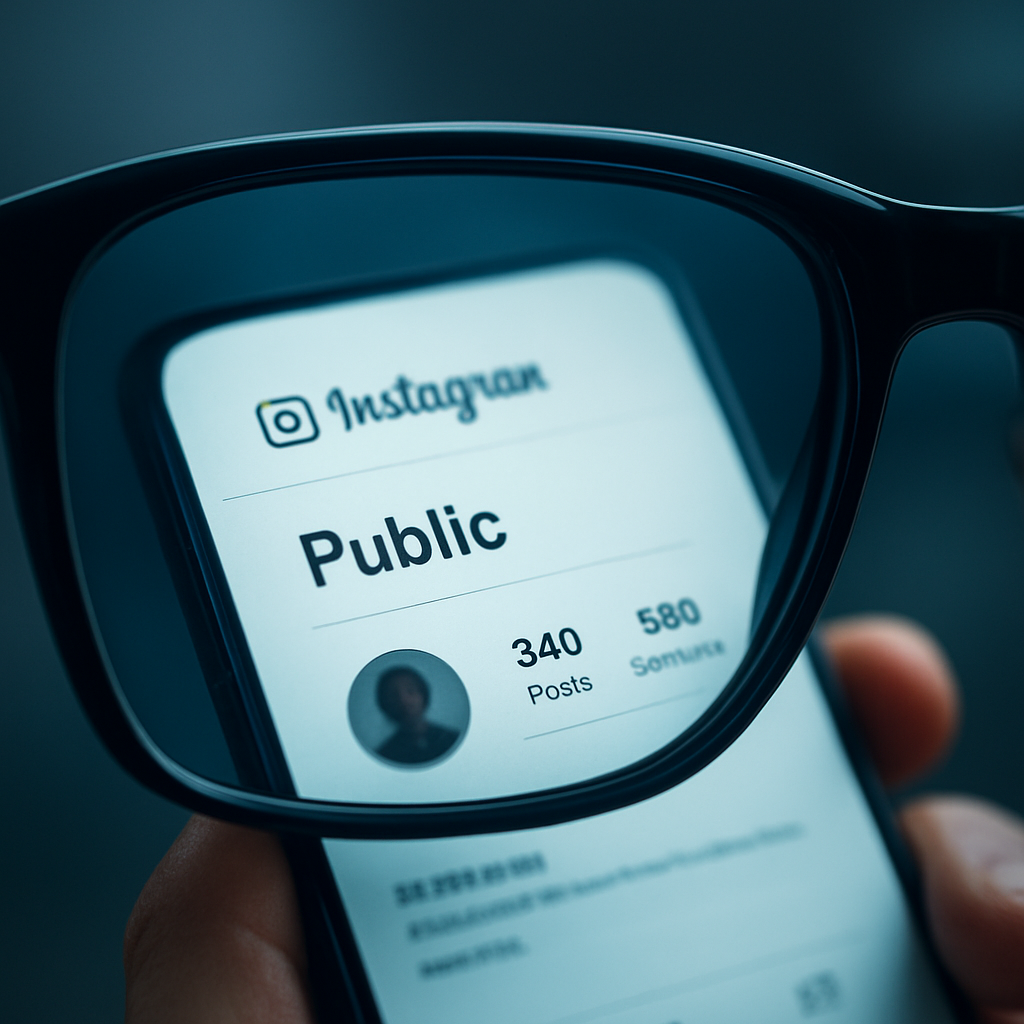
TL;DR: Meta says Muse is private, but the company’s tools can and do use images and data tied to users in ways you might not expect; if your Instagram is public or you’ve given app permissions, your content can feed Muse Image and other AI features. According to Meta’s announcement and reporting by journalists and regulators, you should assume some Meta AI features can access user-linked data unless you change settings.
Meta launched Muse in September 2026 and framed it as a “secure, private personal AI agent” that helps users meet goals and suggests ideas, according to Meta’s own product announcement on September 2026, which explicitly promotes privacy as a feature of Muse Meta announcement, 2026. But reporting indicates Muse’s image tools can draw on material tied to real people online. The gap between claim and practice matters because it affects whether your photos, calls, or other signals can be used to train or power these systems.
How Meta describes Muse and its privacy promise
Meta’s September 2026 post describes Muse as a personal AI agent meant to be “secure” and “private,” language intended to reassure users about data handling and control Meta announcement, 2026. As an official company announcement, it serves as Meta’s public statement of intent and policy for Muse.
Evidence Muse and related Meta projects access private or user-linked data
Independent reporting indicates a different operational picture for some features. TechCrunch reported in July 2026 that Muse Image can generate images using photos from public Instagram accounts and that the tool will use images from any Instagram profile that is public; that means content you thought of as personal may be consumable by Muse Image if your profile visibility is public TechCrunch, 2026-07-09. Separately, reporting from The Register in March 2026 said contractors working on Meta wearable projects had access to intimate footage captured through devices, which drew a UK privacy probe The Register, 2026-03-05. Longstanding stories about Facebook’s Android app accessing call and text metadata on some phones add another historical data point to the pattern of aggressive data collection on Meta platforms Mashable.
Concrete example: how a public Instagram photo can feed Muse Image
Imagine a photographer who posts a portrait to Instagram with the account set to public so clients can view the portfolio. A month later, Muse Image offers a user-generated prompt that calls up reference photos for a photorealistic edit and pulls from publicly available Instagram images. TechCrunch makes this explicit: public profiles are fair game for Muse Image, and removing an image from public view is a direct way to stop that specific flow TechCrunch, 2026-07-09. This scenario shows how a public profile can turn private-seeming content into source material for an AI feature.
Why Meta can legally and technically use that data (trade-offs)
Platform design, user agreements, and the public/private setting on social posts determine what an AI can lawfully access. If a photo is posted to a public Instagram account, the platform’s terms and the technical availability of that content make it accessible to services that crawl public posts. Meta can point to those rights in its product policies while also claiming privacy protections in its Muse announcement Meta announcement, 2026. The trade-off is simple: public visibility allows wider distribution and reuse, including for AI features, while stricter privacy limits that reuse and reduces discoverability.
That trade-off is legal as well as technical. Regulators have fined or scrutinized AI or face-recognition firms for processing personal data without adequate safeguards. For example, the Dutch data regulator fined Clearview AI €30.5 million under the GDPR in September 2024, showing that European authorities will apply data-protection rules to image-based AI uses TechCrunch, 2024-09-03. Those actions demonstrate enforcement risk for companies that handle biometric or image-derived personal data without proper legal bases or safeguards.
What regulators and legal actions show about enforcement and risk
Meta’s projects are already under scrutiny. The UK privacy probe into Meta smart glasses followed reporting that contractors had access to intimate footage from wearables, which triggered formal review by a national regulator in March 2026 The Register, 2026-03-05. Legal exposure is not hypothetical: a Wall Street Journal story reported a lawsuit against a $10 billion AI startup accused of collecting and exposing personal data, underscoring how litigation around data practices can be costly and high profile WSJ. Regulators and courts will likely apply existing frameworks such as the GDPR, and national investigations can lead to fines, restrictions, or required changes to product behavior TechCrunch, 2024-09-03.
Three steps you can take now to reduce exposure
First, make Instagram and other social profiles private if you do not want public scraping; TechCrunch’s guide shows that shifting a profile away from public is the simplest, immediate control for Muse Image’s image sourcing TechCrunch, 2026-07-09. Second, audit app permissions on your phone and for Meta apps; earlier reporting found some Facebook Android installs had access to call and text data when permissions were granted or system quirks enabled broader access Mashable. Third, use privacy and data controls Meta publishes for Muse and related services; Meta’s announcement lists product controls and settings as part of the Muse rollout, so check the official page for features and toggles Meta announcement, 2026.
A practical caveat: these steps reduce exposure but do not eliminate risk
Making an account private stops public scraping, but private-to-platform reuse and internal access remain governed by Meta’s policies and the company’s technical safeguards. Public enforcement actions like the €30.5 million GDPR fine against Clearview show regulators can and will penalize noncompliant behavior, but enforcement timelines are slow and outcomes vary by jurisdiction TechCrunch, 2024-09-03. Similarly, device-level issues reported in March 2026 that prompted a UK probe into smart glasses are a reminder that contractors and third parties can expand risk even if product teams design privacy safeguards The Register, 2026-03-05.
Practical takeaway you can act on immediately
If you do not want your images used by Muse Image, set your Instagram account to private now and audit permissions for Meta apps on your phone. Then follow Meta’s Muse product page for updates to privacy controls and keep an eye on regulatory actions, since legal rulings will materially affect what companies can do with image and personal data Meta announcement, 2026, TechCrunch, 2026-07-09, Mashable.
Image generation now uses user content in ways many users do not expect. Act today by changing visibility and permissions; regulators and lawsuits show the rules can change, and they will influence what Meta must do next.
seo.meta_description
Meta’s Muse AI can use public Instagram photos and other user-linked data despite privacy claims. Learn what it collects, real risks, and steps you can take now.
Spotted a mistake? Tell usand we'll correct it.
Related Articles

Network IP Ranges and Blocks Explained
Discover how network IP ranges and blocks work, why they're essential for cybersecurity, and real-world examples to help you manage your network better.

Proxy Networks and WAN Security: Risks and Precautions
Understand how a proxy approach works and why you need to be cautious when using proxy services. Learn from real-world examples and protect your data.

Public IP Security: A Practical Network Security Guide
Master public IP security with the latest trends, expert insights, and practical steps to protect your digital world in 2026.

What Is a Public IP Address? How to Find and Protect Yours
What a public IP address is, why it matters for privacy and security, and how to find and protect yours.